Reducing Risk and Increasing Resilience
Flood Mitigation
Why Mitigate for Floods?
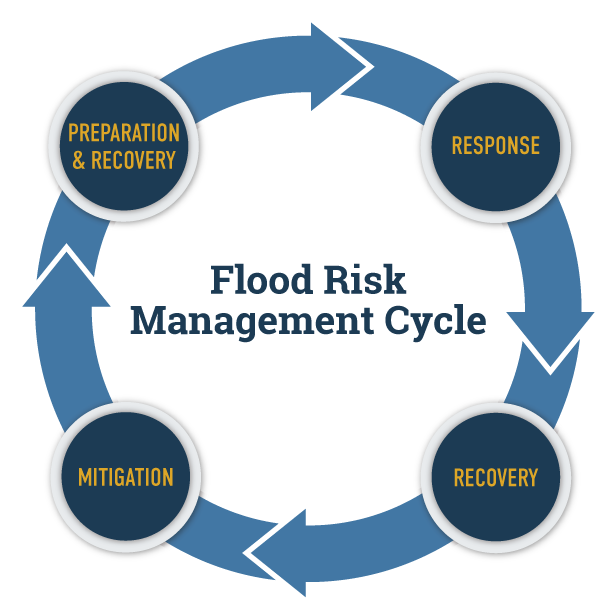
The frequency of flood events in Utah is clearly rising. Flood damage and costs associated with that damage are rising too. We need cost-effective actions and interventions in order to reduce costs to individuals and communities. The actions—which reduce or eliminate the long-term risk of damage to homes, properties, and structures—are collectively known as “mitigation”. Mitigation is an essential component of flood risk management.
"For every dollar spent on riverine flood mitigation, Americans save an average of $6 in future flood damage costs."
Natural Hazard Mitigation Saves
by the National Institute of Building Sciences
Download Full Report
Utah's Mitigation Resources
The Utah Division of Emergency Management’s Mitigation & Recovery Team
helps Utah communities before and after flooding events.

Mitigation Best Practices
For Communities, Counties, and Tribal LandsPlanning is a key component of mitigation.
Create a comprehensive mitigation plan.
Invest in public outreach and engagement.<
Learn from other communities.
For property owner mitigation information, explore our Flood Risk Information for Property Owners page!
Flood Risk Information for Property Owners
Reducing the Risk of Specific Flood and Debris Flow Triggers in Utah
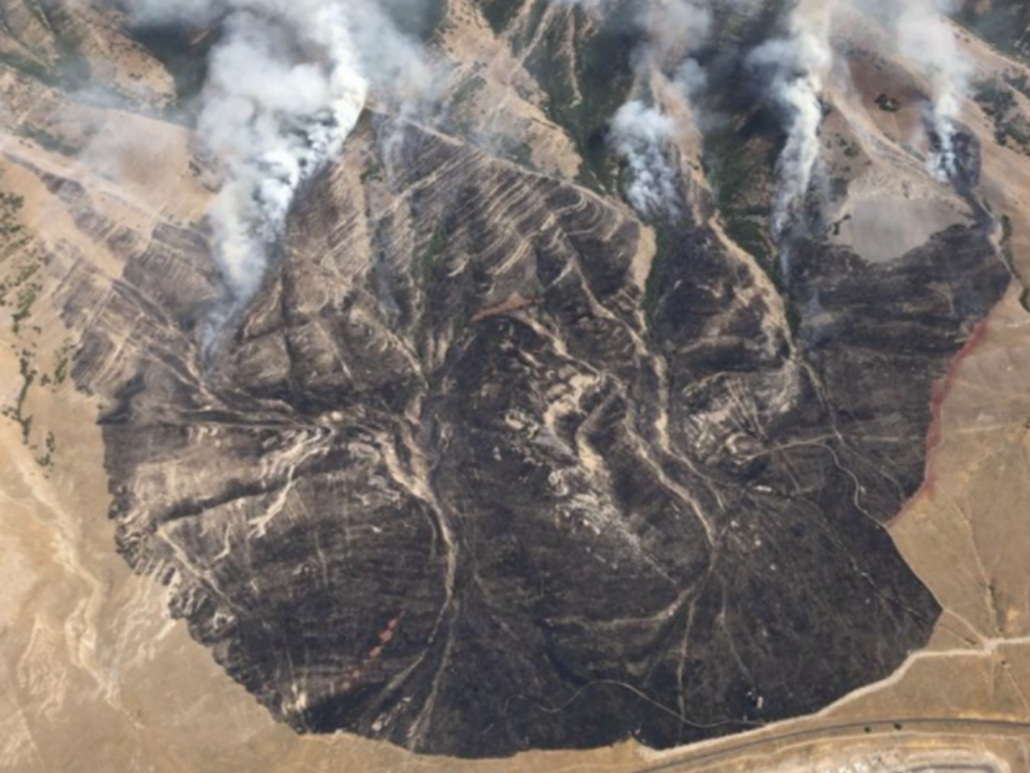
Fire Scars
Wildfire scars greatly increase the chance of flash flooding in areas downstream from the scar. Even properties that were previously not in the floodplain may find themselves vulnerable to floods and debris flows.
Post-Wildfire website
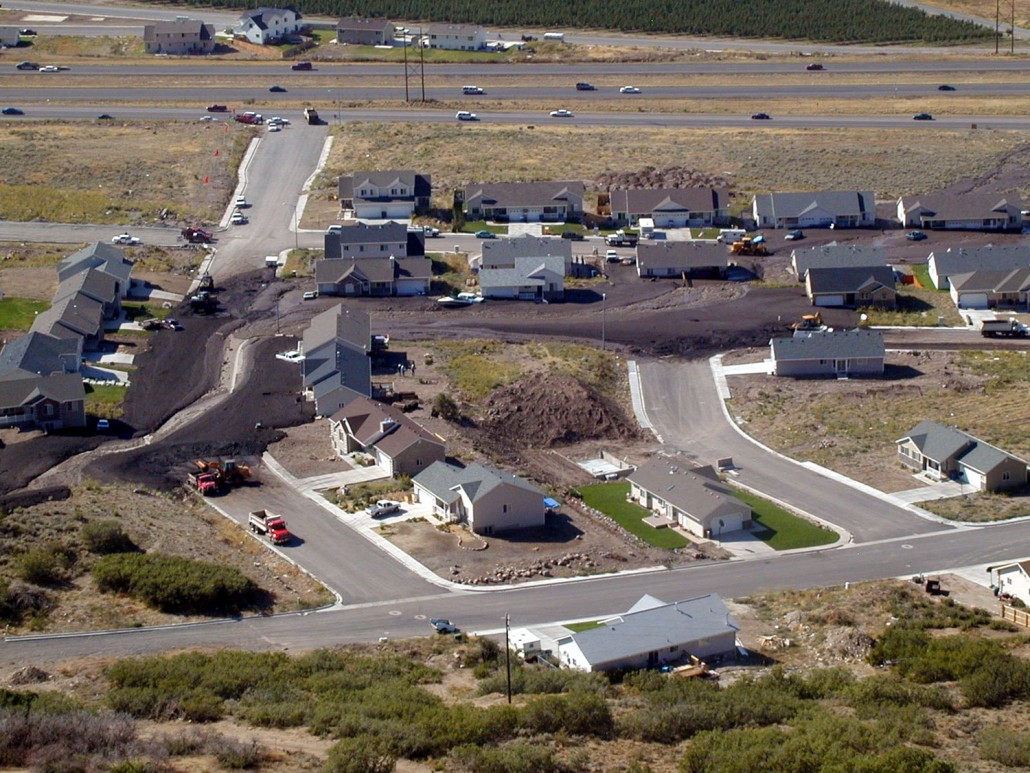
Alluvial Fans
Alluvial fans are common geological formations in Utah that create unpredictable flood paths and depths.
Alluvial Fan Mitigation