Photo: Andy Losee
Anywhere it can rain it can flood!
Severe thunderstorms, flash floods from post-wildfire events, and poor drainage systems can result in flooding. The National Flood Insurance Program (NFIP) policy covers direct and physical losses to your structure and belongings in the event of a flood. Most homeowners' and renters’ insurance does not cover flooding events. Just one inch of flood water can cause more than $25,000 in damage to your home or business. Purchasing flood insurance will help protect the things you value, with flood insurance you are able to recover more quickly after a flood.
High-Risk Flood Zones
A high risk flood zone is any area with a 1% chance or higher to experience flooding each year. Those areas have at least a one-in-four chance of flooding during a 30-year mortgage. Flood risk mapping is always being added and updated online. If your area isn’t mapped digitally, historical flood risk maps may be available. Contact the Floodplain Mapping Program for more information.
The National Flood Insurance Program
Created by Congress in 1968, The National Flood Insurance Program (NFIP) provides flood insurance for property owners, renters, and businesses in participating communities. Check the Community Status Book Report to see if your community participates in the NFIP.
Visit floodsmart.gov to get flood insurance information
Utah Communities that participate in the NFIP
Find a NFIP Insurance Agent to get a free quote
Visit floodsmart.gov
(opens in a new tab)Private Flood Insurance
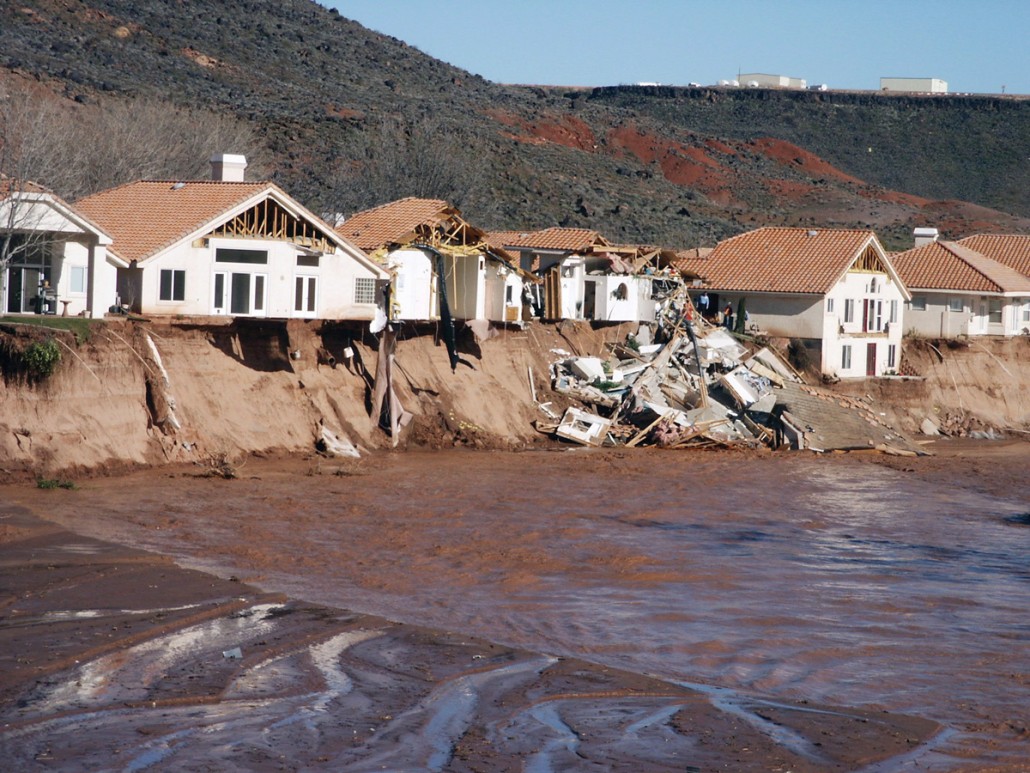
Over 30 homes were damaged by the January 2005 floods in southern Utah. These homes are along the Santa Clara River in Santa Clara.
Private flood insurance is another alternative to the NFIP. What makes private flood insurance different from the NFIP is that private insurance is not backed by the federal government. Private flood insurance doesn’t have the same restrictions as the NFIP and can offer coverage options such as replacement costs for personal property and can include temporary living expense coverage.
There are many benefits and disadvantages to either a private or federal flood insurance policy. It is always a good idea to speak to your insurance agent, read your policy exclusion, and see what works best for you. Find more information about flood insurance options with the Utah Insurance Department.
Visit the Utah Insurance Department to get more information
Federal Disaster Assistance
Federal disaster assistance is only made available when a Presidential Disaster is declared, in the state of Utah most flood events do not result in a declaration. Disaster assistance from FEMA and the US Small Business Administration (SBA) is only designed to help start the recovery process. It is not enough to restore your home, business, or property to pre-disaster conditions, and comes in the form of a loan that must be repaid. Flood insurance does not have to be paid back and is there to help restore your property. There is no better way to protect the life you built than with flood insurance.
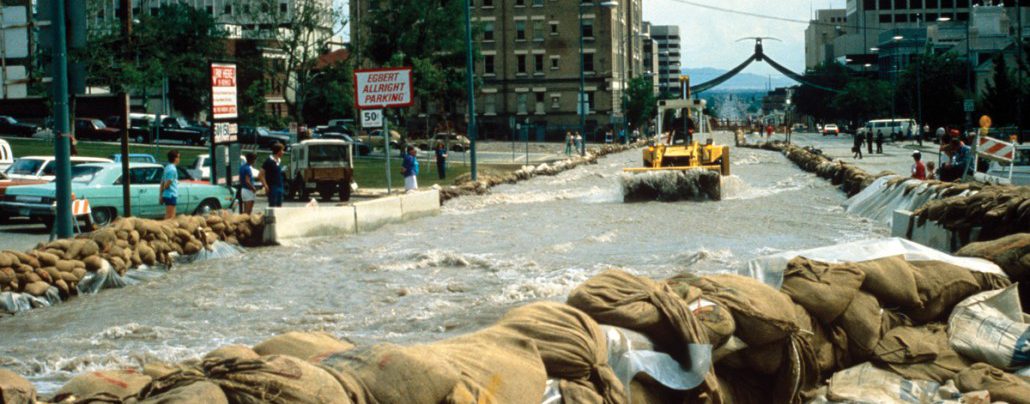
Flooding along State Street, Salt Lake City, Utah, June 1983. Photo by S. Thiriot.

Your lender may still require flood insurance regardless of whether it is in a FEMA flood zone. Be sure to ask.


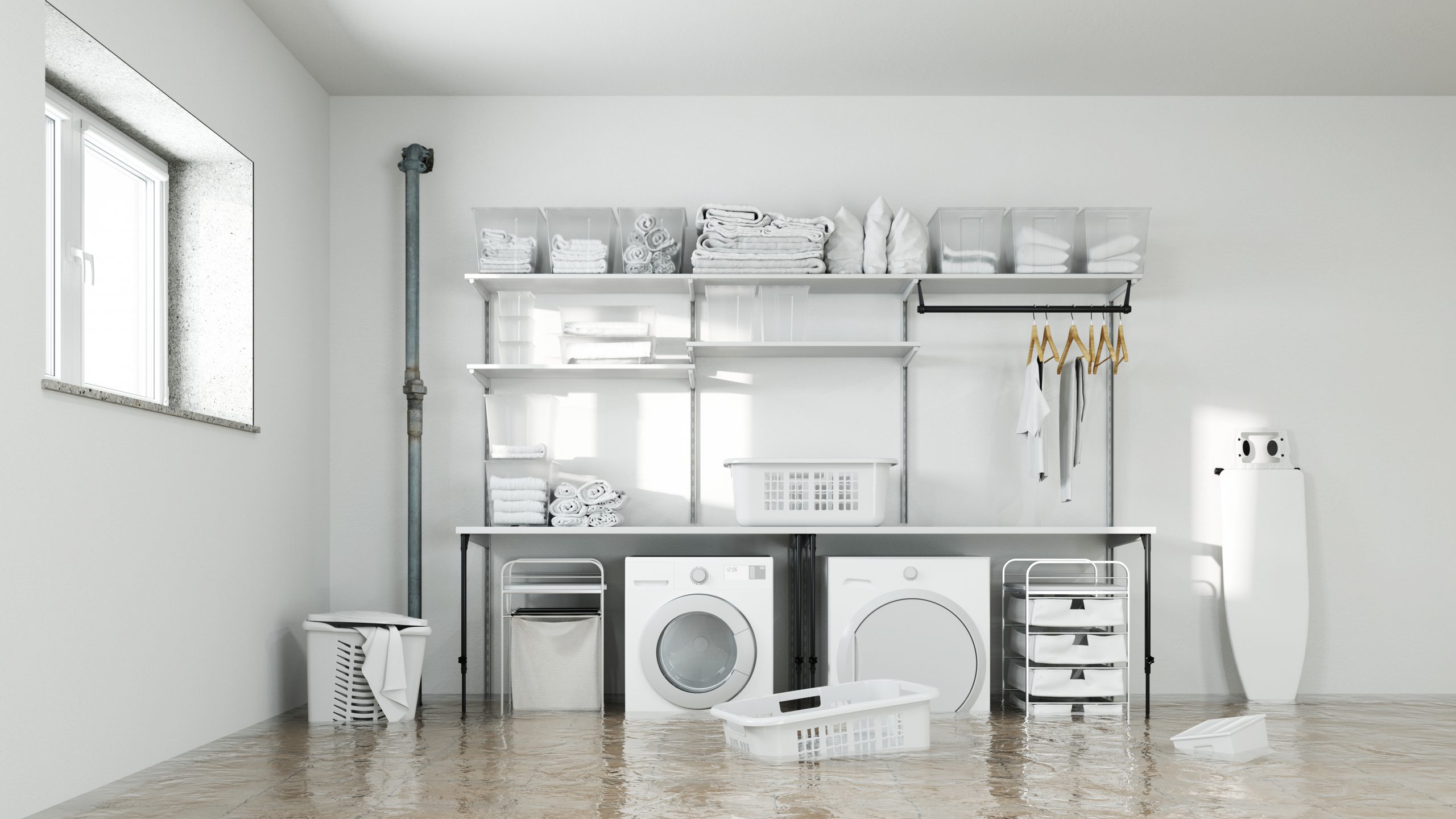
Examples of covered items: Central air conditioners, fuel tanks and the fuel in them, furnaces and water heaters, electrical outlets and switches, drywall that is unfinished, electrical junction and circuit breaker boxes, and foundation elements and anchorage systems.
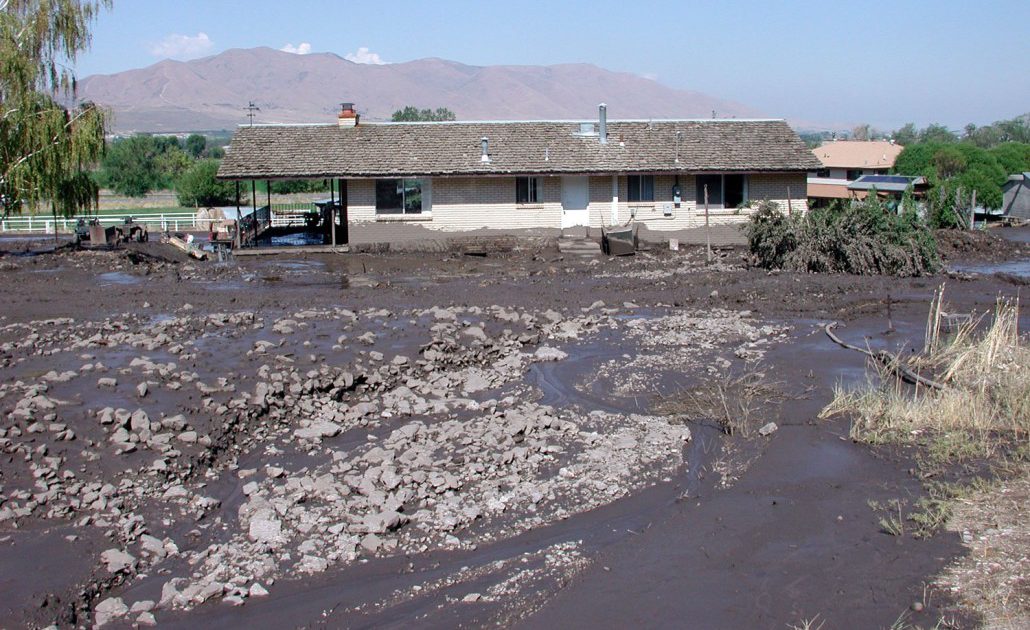
An NFIP policy covers mudflow if it meets the general definition of flooding under the standard flood insurance policy. Mudflow is defined separately as "a river of liquid and flowing mud on the surfaces of normally dry land areas, as when earth is carried by a current of water.”


